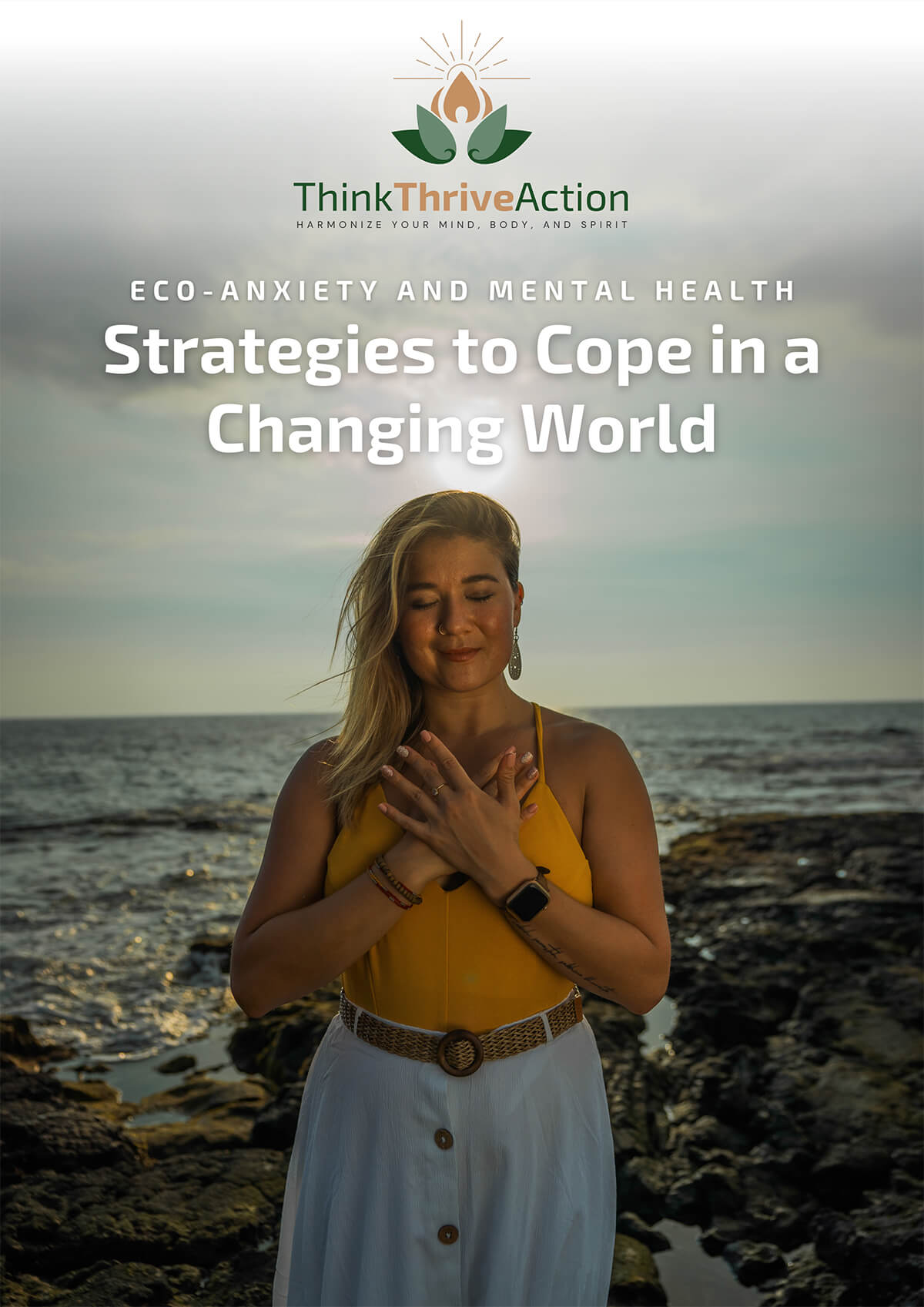




In an era marked by increasing awareness of environmental issues such as climate change, deforestation, and pollution, it’s not uncommon to experience feelings of eco-anxiety – a sense of worry, fear, or stress related to the state of the planet and its future. While concern for the environment is important, persistent eco-anxiety can take a toll on mental health and well-being. In this article, we’ll explore the phenomenon of eco-anxiety and provide practical strategies to cope with environmental concerns while maintaining mental resilience.
Understanding Eco-Anxiety
Eco-anxiety arises from a deep concern for the environment and the impact of human activities on the planet’s health and sustainability. It can manifest as feelings of helplessness, despair, guilt, or grief in response to environmental degradation, natural disasters, and the uncertain future of the Earth. Eco-anxiety may be triggered by news reports, scientific findings, personal observations, or direct experiences of environmental harm.

Coping Strategies for Eco-Anxiety
Stay Informed, but Set Limits: Stay informed about environmental issues through credible sources, but be mindful of consuming excessive media coverage that may exacerbate anxiety. Set boundaries for your media consumption and take breaks from news and social media when needed.
- Focus on Solutions: Shift your focus from dwelling on problems to exploring solutions. Get involved in environmental advocacy, volunteer work, or community initiatives aimed at addressing environmental challenges. Taking tangible action can empower you and provide a sense of purpose and agency.
- Practice Self-Care: Prioritize self-care practices to nurture your mental and emotional well-being. Engage in activities that promote relaxation, such as meditation, yoga, deep breathing exercises, or spending time in nature. Make time for hobbies, social connections, and activities that bring joy and fulfillment.
- Cultivate Resilience: Cultivate resilience by developing coping skills and adaptive strategies to manage stress and uncertainty. Build a support network of friends, family, or mental health professionals who can offer guidance, empathy, and encouragement during difficult times.
- Find Balance: Strike a balance between taking action to protect the environment and caring for your own well-being. Recognize that you cannot single-handedly solve all environmental problems, and it’s okay to prioritize your own mental health and self-care.
- Practice Gratitude: Cultivate a sense of gratitude for the natural world and the positive experiences it provides. Spend time outdoors appreciating the beauty of nature, observing the changing seasons, and connecting with the elements that sustain life on Earth.
- Seek Professional Help if Needed: If eco-anxiety significantly impacts your daily life or functioning, consider seeking support from a mental health professional. Therapy, counseling, or support groups can provide tools and strategies to manage anxiety and build resilience in the face of environmental concerns.
Eco-anxiety is a valid emotional response to the environmental challenges facing our planet, but it’s essential to recognize that you are not alone in your concerns. By acknowledging and addressing eco-anxiety, you can take proactive steps to protect your mental health while contributing to positive change for the environment. Remember to practice self-compassion, seek support when needed, and focus on the actions you can take to create a more sustainable and resilient world for future generations. Together, we can navigate the challenges of a changing world with courage, compassion, and hope.